

Agha Bozorg’s Garden, the Nails, and the Hammer
Translated from the original Persian post. Images, if present, are from that post or thread.
Translated thread in its original order, with the images attached to each part
Agha Bozorg’s Garden, the Nails, and the Hammer
What matters is what we say to whom, and how we say it, isn’t it?
Words can sometimes cut more sharply than a surgeon’s blade.
Read this story.
Long live the Shah.
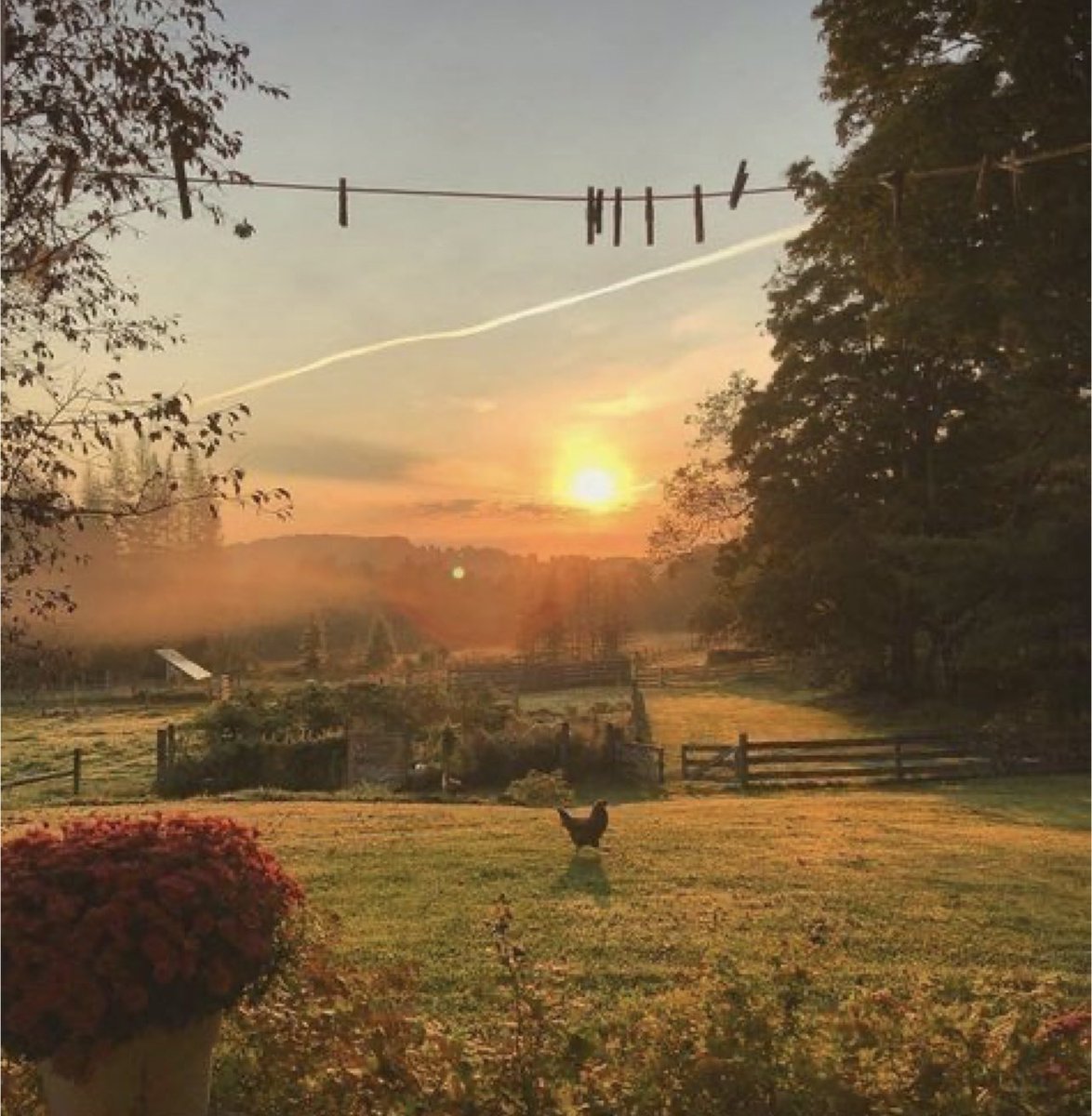
Back in those days, Agha Bozorg had a bitter-orange orchard near Dezful. He’d built a house there, too, and he and Khanom Joon often stayed there. The children would visit them in the summers.
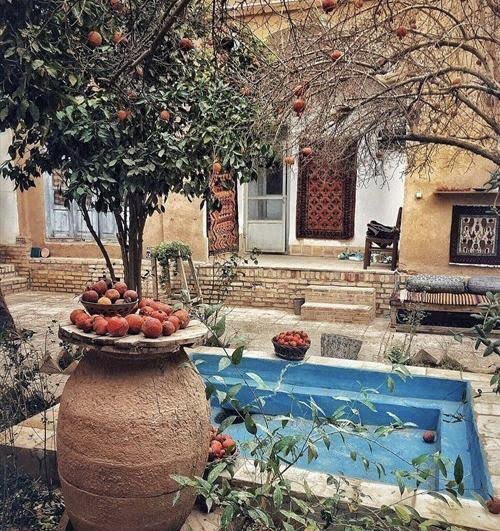
The house was built around a courtyard, with several rooms and a private inner section that opened onto the kitchen.
There was a little garden and a small pool in the middle of the courtyard.
Abu Salman and Naneh Salimeh lived in one of those rooms and looked after the orchard.
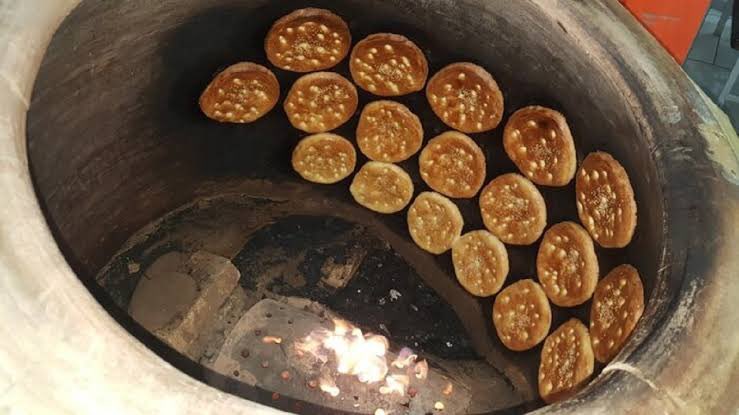
I remember Naneh Salimeh baking bread for us every day. While the oven was still hot, she’d make a few sweet buns, too. They tasted wonderful with tea.
One summer when we were staying at the garden house, my uncle’s family and a few other guests came as well. We were having a wonderful time. Except...
I didn’t have a very good temper back then. I flared up fast, and when I got angry, I lost control. It usually ended in an argument or a fight.
That was why my cousins avoided me and wouldn’t play with me.
One day, my uncle took the children to the river to play and swim. I stayed behind to help Agha Bozorg in the orchard.
We were walking and talking among the trees, a little way from the house.

“I hate myself,” I told him. “I lose my temper all the time, and nobody wants to play with me.”
“Well, do you want to change?”
“Yes. I don’t want to be alone.”
“Go back to the house, get the box of nails and the hammer from Abu Salman, and meet me at the far end of the orchard.”
I ran off and came back with them.
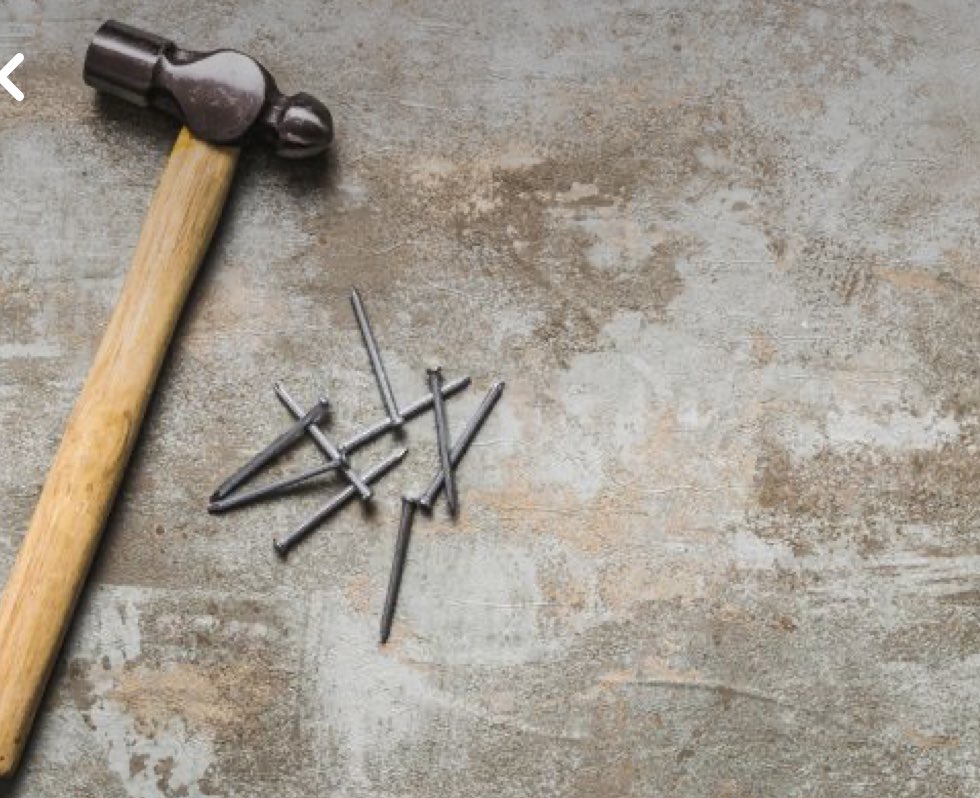
“Starting today,” Agha Bozorg said, “whenever you get angry, come here and drive a nail into this fence along the edge of the orchard until you calm down. Take your anger out on the nail.”
Those first few days, I must have hammered in twenty nails a day. Sometimes I shouted. Sometimes I even cried.
But I was at the far end of the orchard. No one could hear me, and that was a relief.
The days passed, and the number of nails I drove in grew smaller.
After a few days, I went to Agha Bozorg, delighted. “I think I can control myself now. I haven’t hammered in a nail for three days.”
He praised me and said, “From today on, every time you keep your temper and treat someone kindly, go pull out a nail.”
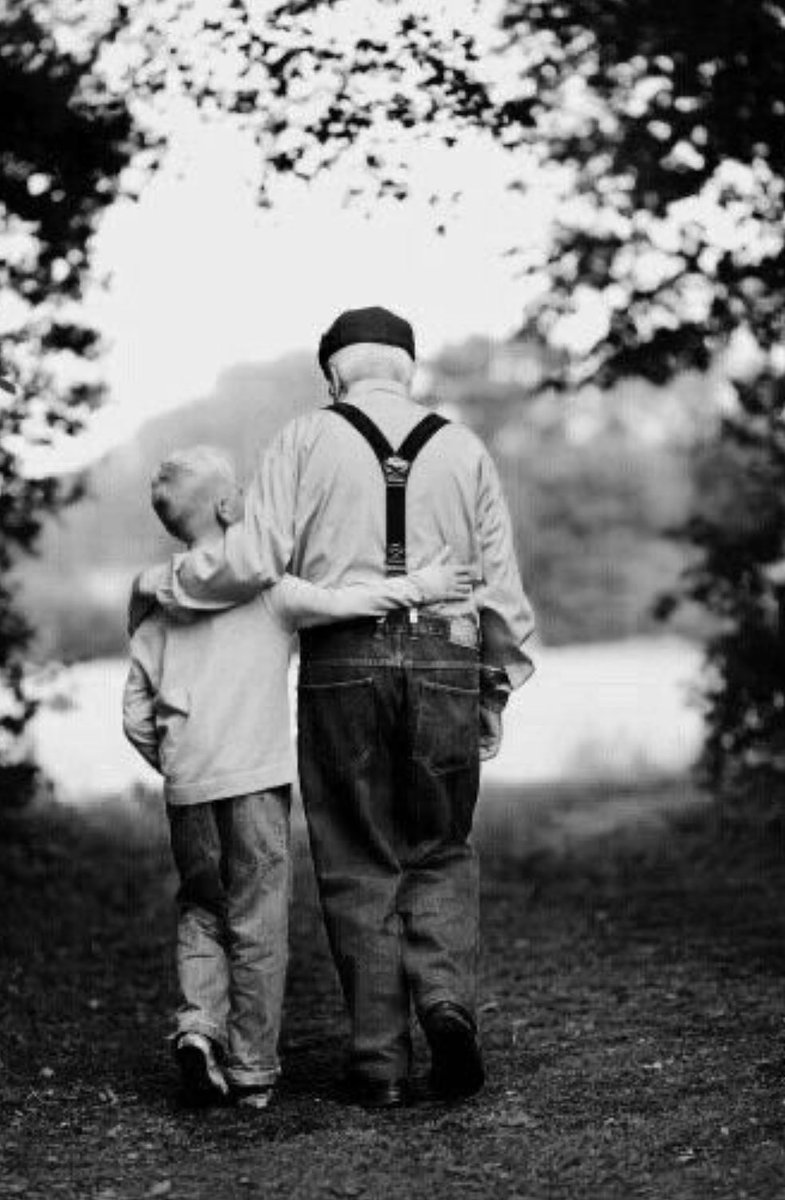
A few more days passed, and I’d grown much calmer.
I was getting along with the other children, too. Some nights we even slept together on the roof, talking until we fell asleep.
Summer was almost over, and we were starting to get ready to return to Ahvaz.
I went to Agha Bozorg and said...
This part on X ↗“Agha Bozorg, there aren’t any nails left. I’m so happy.”
He smiled. “Let’s go and see.”
At the far end of the orchard, I proudly showed him where the nails had been. He sat beside me.
“Do you see these holes?”
“Yes.”
“Well...”
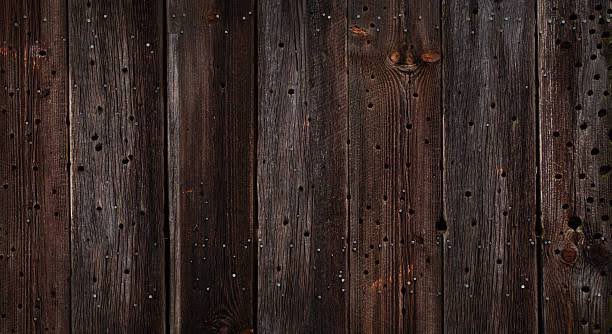
“Every time you say something cruel to someone in anger or pain and break their heart, it’s as though you’ve driven a nail into them. When you make amends and they forgive you, you’ve pulled the nail out.
“But look. The nail is gone, yet its mark remains forever, doesn’t it?
“Even a tiny mark may never disappear.”
This part on X ↗He was right. These days, under so much pressure and pain, we get upset, we get angry, we break. But we have to take care that our harsh words don’t drive a nail into a friend, a comrade, or a fellow Iranian and leave a hole that can never be filled.
Long live Iran.
Long live the Shah.